
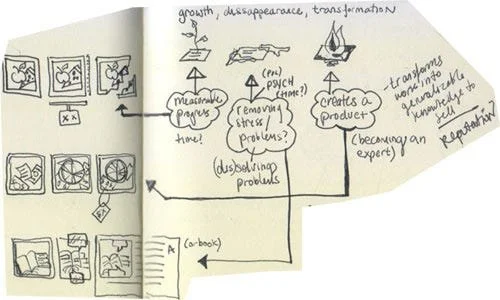
“workflow diagrams for future product” by jessica mullen is licensed under CC BY 2.0.
More than indicators, analytics, or metrics, impact measurement at its core is about building an organizational culture that understands what “impact” means for your team.
We know that creating a culture of impact requires a dedicated champion for the work internally. We know that it works best when leadership is fully engaged and committed, when there’s team-wide collective brainstorming, and when there’s celebrations of milestones, all things to reinforce the importance of tracking impact across all levels of an organization.
But maintaining that culture also requires an appropriate workflow for your team. I wanted to dig in a little deeper on that piece, because it’s arguably as important as the tools to do this work and a question we’re often asked when implementing our Impact Tracker with newsrooms. We’ve worked with hundreds across the globe to build impact tracking tools and frameworks at this point, and we typically see workflows shake out in two ways:
Distributed workflows empower everyone within the organization to take ownership of impact tracking relevant to their roles. For instance, reporters might note audience feedback on stories, while community managers track comments and interactions during events. This approach creates a shared sense of responsibility and encourages input from diverse perspectives. And because everyone is involved in impact tracking and measurement, there’s opportunity to build this work directly into more forward-looking decision-making, such as story choice, partnerships, and engagement activities.
Centralized workflows, on the other hand, consolidate impact measurement and data gathering in the hands of one individual or team. In this model, all data and feedback flow to this central figure, who then compiles and analyzes the information.
Diverse workflows — whether distributed or centralized — can cater to the needs of different teams. While editorial teams may benefit from the insights of frontline reporters, development teams may require a more structured approach to gather time-sensitive donor-related data. Often, we see organizations implement a hybrid approach, starting with a small-scale pilot focused on a specific project over a shortened period of time to pave the way for broader implementation across the organization.
By customizing workflows to suit specific contexts, media organizations can build their impact tracking capacity while at the same time driving meaningful outcomes. A well-defined workflow can facilitate regular review of data collection, ensuring that relevant information is captured consistently and efficiently. It also helps media organizations be more agile, allowing for real-time adjustments based on emerging insights in their impact data.
Though it might seem like the last step in your process, proactively developing an effective impact tracking workflow will help build your capacity and strengthen your organization’s overall mission. It fosters a culture of accountability and celebration, ensuring that every stakeholder understands their role in contributing to the organization’s impact and knows that their role is valuable.
Interested in building a workflow or system to approach your organization’s impact? Get in touch with us.